

When Different Cultures Come Together
In a previous article, we discussed how a successful event does not end with the final lecture or when the lights in the conference hall go out. It continues to live on through the connections participants build with one another. But how can such connections be established and maintained when people not only speak different languages but also come from different cultures and follow different traditions?
Are cultural differences a challenge, an opportunity, or perhaps both?
The answers to these questions lie in careful planning and precise event organization. What does it take to organize a successful international event, and what are some examples of best practices? You will find the answers in this article.
Cultural Differences as a Starting Point for Effective Planning
One of the first challenges that arises when organizing international events is the language barrier. Artificial intelligence and various translation platforms are excellent tools when it comes to email communication. However, professional event organizers need to be fluent in English, as emails are only the beginning of the communication process. Phone calls, face-to-face meetings, dinners, and many other situations follow, where email communication alone is simply not enough.
Language is far from the only barrier that may arise during the preparation stage. Dietary preferences are another important factor that should not be overlooked. Some religions prohibit the consumption of pork, while others have specific requirements regarding food preparation. Food allergies and intolerances must also be considered. Although they are not directly related to cultural differences, they should be taken into account when organizing any event.
International conference programmes typically include several meals as well as coffee breaks. At first glance, creating a menu may seem like the easiest part of the planning process, but this is not always the case. Buffet-style catering makes things easier, as it allows organizers to offer different types of meat, a variety of vegetarian dishes, and many other options. However, when individually plated meals are served, each participant’s dietary requirements must be considered.
For this reason, participants can be invited to specify any dietary requirements during the registration process. This gives organizers more time to make the necessary adjustments to the menus.
From Invitation to Arrival: The Details That Create a Positive First Impression
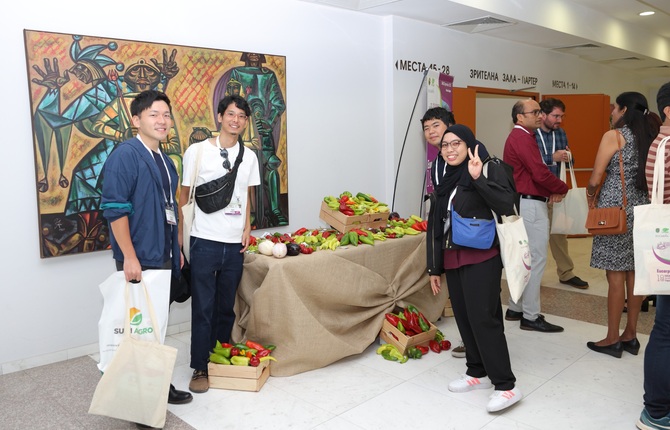
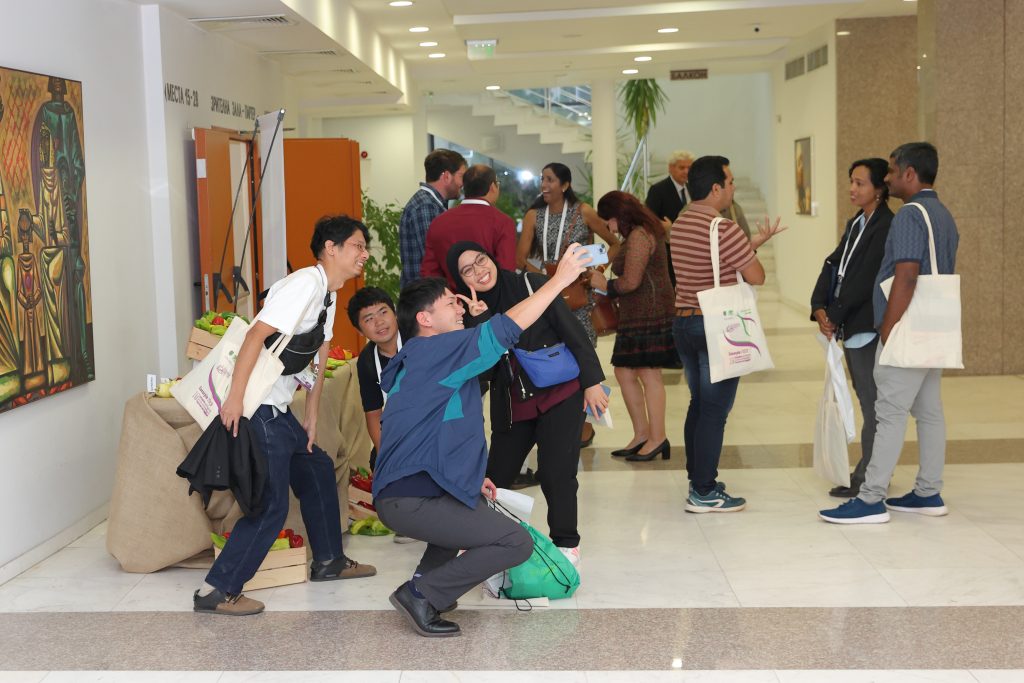
International events are among the most challenging yet fascinating to organize, as they bring together people from all over the world. CEFood2026 welcomed participants from Ecuador, Japan, and Vietnam. Although globalization has significantly blurred the borders between countries, opportunities to meet people with similar interests from such distant parts of the world in person remain relatively rare.
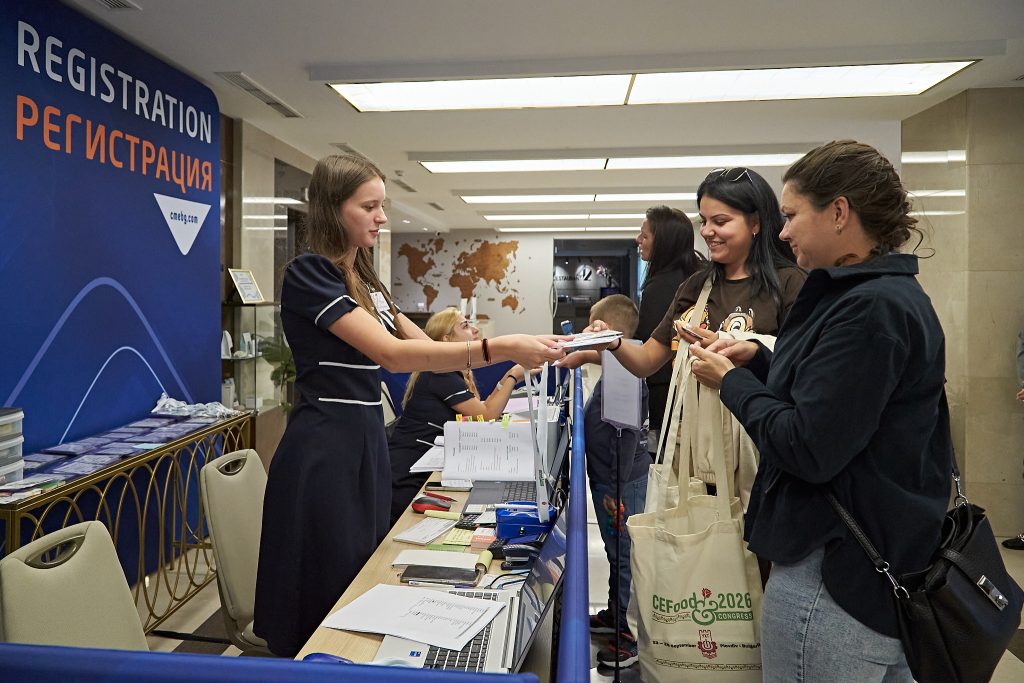
Welcoming participants from around the world requires careful planning of their travel and accommodation arrangements. Flights are coordinated, visit schedules are sent out, and airport transfers are arranged to welcome distinguished guests and speakers upon arrival. Communication takes place on a weekly basis and becomes daily as the arrival date approaches.
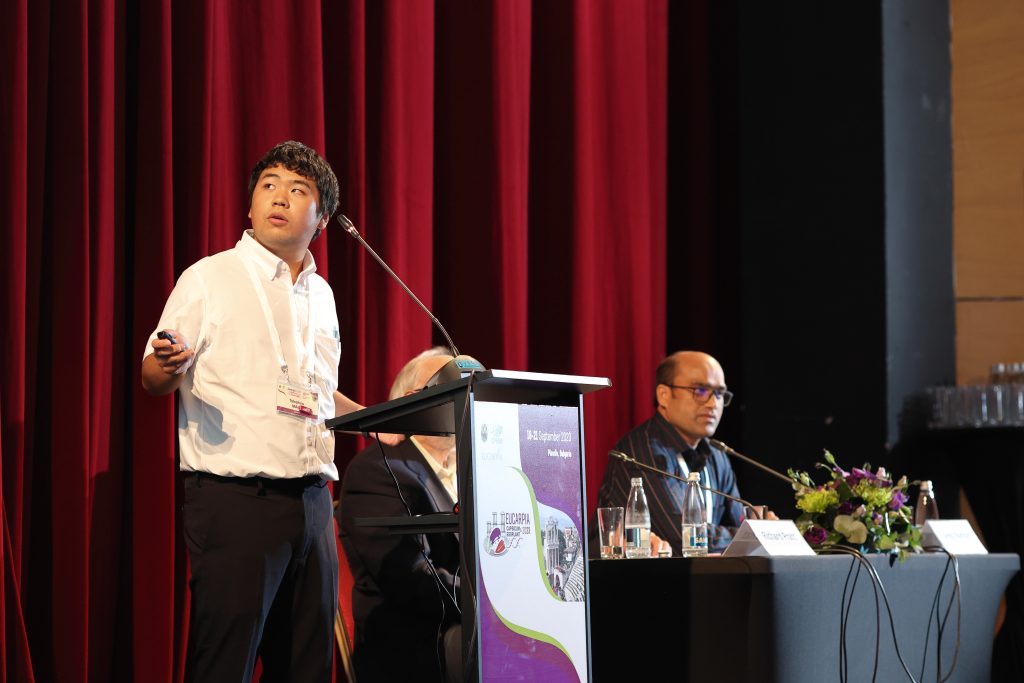
Three years ago, the EUCARPIA event brought together participants from across Europe (including Italy, Spain, Hungary, and other countries), as well as from the United States and Japan. Coordinating flights and transfers for speakers and participants proved challenging, as flight delays frequently occurred and sometimes affected the conference programme when speakers were unable to arrive on time. However, with careful monitoring and the ability to respond quickly, the impact of unexpected situations can be minimized.
A good practice is to always take an individual approach to each participant’s needs and preferences. It is important for participants to know that they have someone to turn to throughout the entire process, and they greatly appreciate the personal attention and care they receive.
The Common Language of Science: How to Create an Environment for Dialogue
While striving to make international participants feel at home, it is equally important not to overlook those from the host country. Although proficiency in a foreign language is an essential skill for event organizers, the same cannot automatically be expected of all participants. During the planning process, organizers should consider whether simultaneous interpretation is necessary or whether it should be clearly communicated in advance that no interpretation will be provided. This allows potential participants to make an informed decision about whether they will be able to take part in the event.
It is also important to allocate 10 to 15 minutes at the end of each session for questions and discussion, as this makes the connections between participants even more meaningful and valuable. Without dedicated time for discussion, there is a risk of the programme running behind schedule, affecting all subsequent activities.
Successful discussions largely depend on effective session moderators. These are individuals who take a genuine interest in the topics being presented and are prepared to ask questions themselves when none come from the audience. They create an environment that encourages dialogue and motivates participants to engage actively.
Modern technologies can also play an important role in making communication easier and more accessible. Many people would prefer to submit a question to a speaker through a mobile application rather than speak in front of an entire audience, especially if they feel uncomfortable using the event’s working language.
Such an application was used during the National Symposium on Endocrinology. Participants had access to the scientific programme and could submit questions to the moderators during each lecture, which were then addressed at the end of the session. The application was actively used throughout the event and successfully facilitated communication during the symposium.
The key takeaway is that careful programme planning, the integration of modern technologies, and the selection of skilled moderators are essential for creating a productive and engaging environment for discussion.
Culture Beyond the Conference Hall
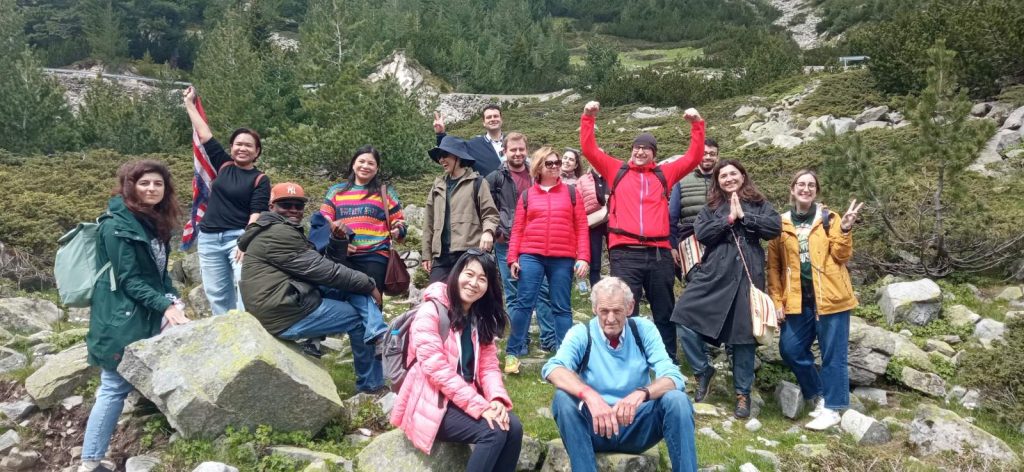
A successful international event is not defined solely by its scientific programme. While the scientific programme remains central and essential, effective event organization also involves creating added value through cultural activities that allow participants to gain a deeper understanding of the host country’s traditions and customs.
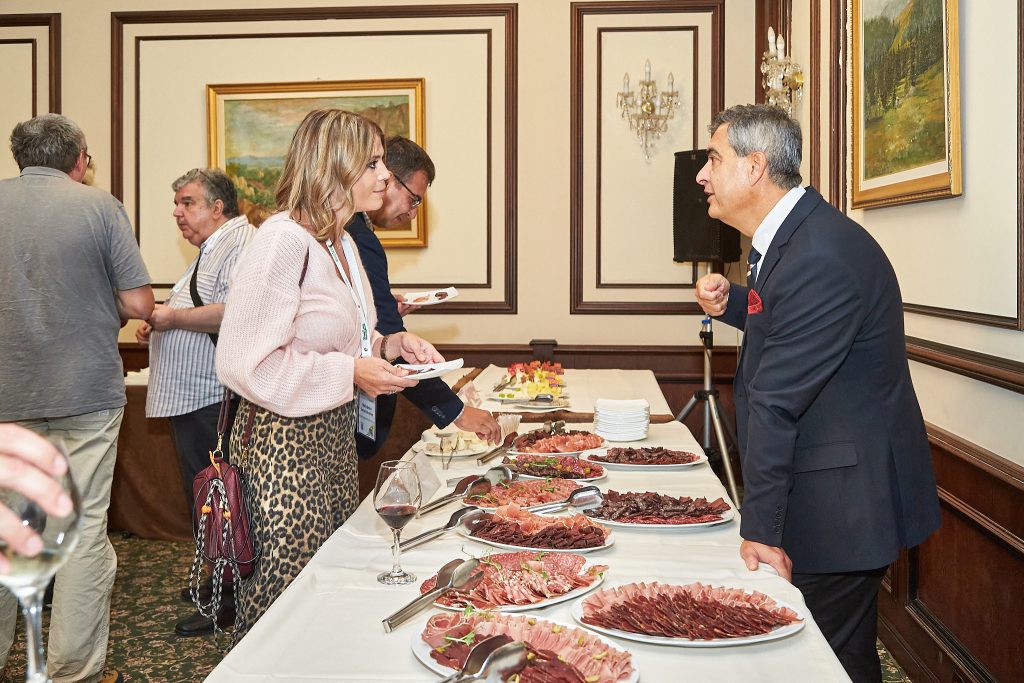
During CEFood2026, several cultural activities were organized, enriching the overall programme in the best possible way. International guests were introduced to traditional Bulgarian wines and foods during a workshop that not only offered participants the opportunity to taste local specialties firsthand but also allowed them to learn more about the production processes behind the featured products. This was particularly valuable for their professional development.
A cultural and historical tour of Plovdiv, the host city, was also organized, giving participants the opportunity to discover its rich history, architecture, and cultural heritage.
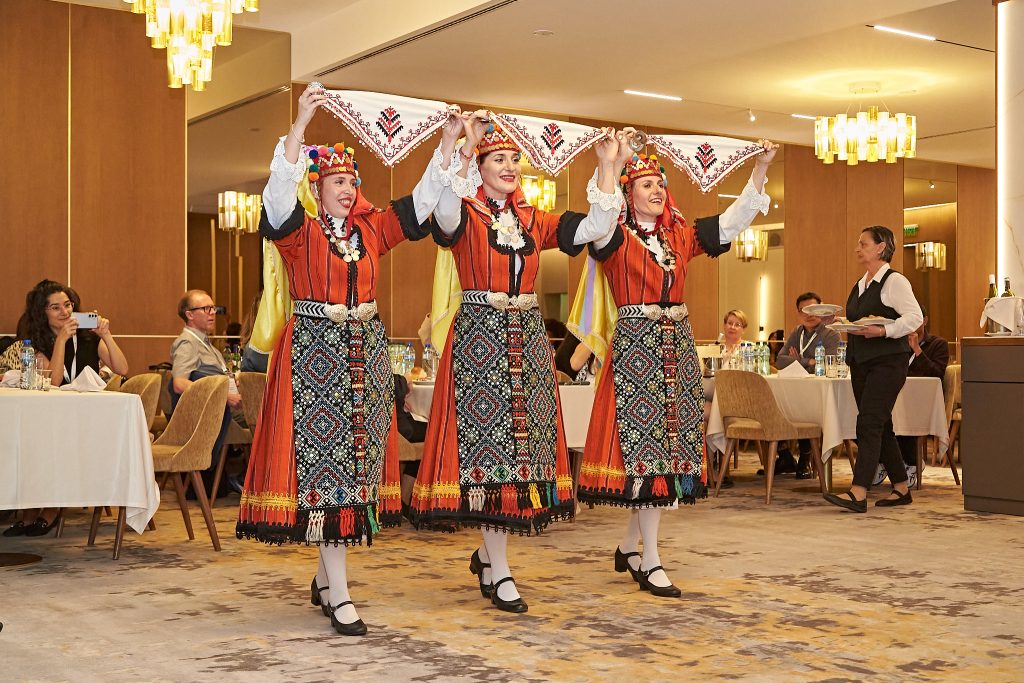
The event concluded with a congress dinner featuring beautiful traditional Bulgarian folk dances from different regions of the country, performed by a professional dance ensemble. International guests were invited to join in, further enriching their experience and allowing them to engage directly with Bulgarian culture.
Such informal activities are an integral part of the congress atmosphere. They give participants an opportunity to take a break from the intensive scientific programme, interact in a more relaxed setting, and share enjoyable moments with colleagues. It is often during these moments that new friendships are formed, professional relationships are strengthened, and ideas for future collaborative projects emerge. This is precisely the added value that every event organizer strives to create.
For this reason, incorporating a cultural programme alongside the scientific one is a valuable practice. Rather than competing with each other, the two complement one another, working together to ensure the highest possible level of satisfaction for every participant.
From an International Meeting to an International Community
An event is often considered successful when everything goes according to plan. In reality, however, this is not always the case. What matters most is the feedback received from participants and their overall level of satisfaction with the event experience.
A successful multicultural event is one that leaves behind newly established connections, shared knowledge and experience, and lasting positive memories. It is essential that everyone feels welcome and that cultural differences are seen not as obstacles, but as opportunities.
In today’s globalized world, it is important to embrace differences and recognize them as opportunities for growth rather than barriers. Bringing together people with diverse cultural backgrounds, life experiences, and professional expertise creates the conditions for new ideas to emerge and future collaborations to develop.
For participants, meeting colleagues whose work they are familiar with but whom they have never had the opportunity to speak with in person due to geographical distance is always a rewarding experience. This has been evident at events such as EUCARPIA, CEFood, and many others organized over the years. The excitement of meeting people whose knowledge and expertise have contributed to one’s own professional development is truly incomparable.
Such events often lead to new partnerships and collaborative projects that benefit both science and patients, extending their impact across the globe. Ultimately, success comes when people from different countries and continents join forces and work together towards a common goal.